Choosing Medical Exam Gloves: Fit, Material, and Barrier Protection Essentials
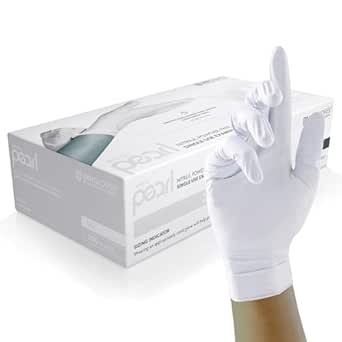
When selecting disposable exam gloves like the ForPro Professional Collection, buyers should prioritize three factors: proper sizing for dexterity, material durability for task-specific needs, and consistent barrier integrity. These nitrile gloves must balance tactile sensitivity with puncture resistance across various professional applications.
Key Considerations Before Buying
- Nitrile thickness (typically 4-8 mil) determines durability versus tactile sensitivity - thinner gloves offer better dexterity but may compromise puncture resistance.
- Powder-free certification is essential for medical environments to prevent contamination and allergic reactions, especially during extended wear.
- Beaded cuff design affects donning ease and roll-down prevention during procedures requiring frequent glove changes.
What Our Analysts Recommend
Quality exam gloves maintain consistent thickness throughout each glove without thin spots or weak seams. The textured fingertips should provide adequate grip without compromising tactile feedback for delicate tasks. Check for ASTM certification indicating proper barrier protection testing.
Exam Gloves Market Context
Market Overview
The Canadian exam glove market has shifted toward nitrile dominance due to latex allergy concerns and improved material technology. Professional-grade disposable gloves now compete primarily on comfort features and task-specific durability rather than basic barrier function.
Common Issues
Inconsistent sizing across brands leads to improper fit affecting dexterity, while manufacturing defects like pinholes compromise barrier protection. Some budget gloves use inferior nitrile blends that tear easily or cause hand fatigue during extended wear.
Quality Indicators
Look for gloves with textured patterns extending fully to fingertips for wet condition grip, and consistent elasticity that returns to shape without permanent stretching. Quality nitrile should resist tearing at stress points like thumb webbing during donning.
Review Authenticity Insights
Grade B Interpretation
A Grade B authenticity rating with 10% estimated fake reviews indicates generally reliable feedback with moderate verification needed. For this ForPro product, the 4.30 adjusted rating (down from 4.56) suggests genuine satisfaction slightly inflated by some manipulated reviews.
Trust Recommendation
Focus on reviews mentioning specific use cases like dental procedures or veterinary work rather than generic praise. The 5002-review volume provides sufficient data points to identify consistent patterns regarding sizing accuracy and material durability.
Tips for Reading Reviews
Prioritize reviews discussing tactile sensitivity for fine motor tasks and durability during extended procedures. Be skeptical of reviews lacking specific application context or those using identical phrasing across multiple reviews.
Expert Perspective
The ForPro Professional Collection demonstrates strong market acceptance with its 4.30 adjusted rating from verified purchasers. The minimal fake review percentage suggests authentic user satisfaction, particularly regarding the powder-free nitrile formulation and beaded cuff design. However, the gap between displayed and adjusted ratings warrants attention to sizing consistency mentioned in some critical reviews.
Purchase Considerations
Evaluate whether the 4-6 mil thickness range suits your specific procedural needs, balancing dexterity requirements against puncture risks. Consider ordering a trial quantity first to assess fit, as hand shape variations affect comfort more than sizing charts indicate.
Comparing Alternatives
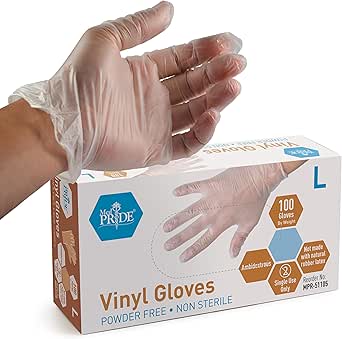
Compare the ForPro's textured fingertip pattern and cuff design against similar-priced nitrile gloves from brands like MedPride or AMMEX for task-specific advantages.