
What to Know Before Buying a 65W 3-Port GaN Charger
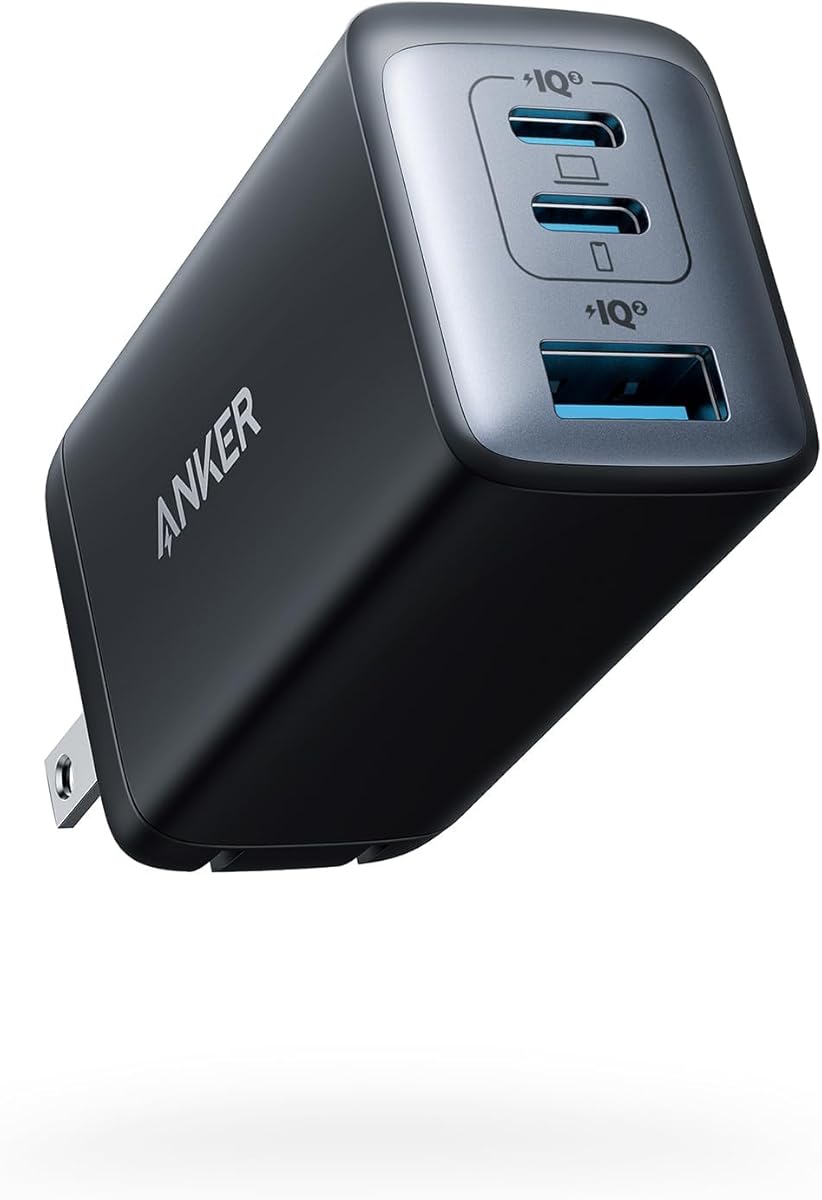
A 65W multi-port charger like the Anker Nano 65W II can replace the brick that came with your laptop and the one for your phone, but only if its port layout and power distribution match how you actually charge. Here's what matters before you buy.
Key Considerations Before Buying
- Total wattage is shared, not per-port. The 65W is split across the three ports, so charging a laptop and two phones at once means each device gets less than it would alone. Check the per-port output table in the listing if you regularly charge multiple power-hungry devices.
- GaN (gallium nitride) construction is what makes a 65W charger this small, and it also runs cooler than older silicon designs. If you're upgrading from a bulky stock adapter, this is the main reason the Nano II can be pocketable.
- Foldable prongs matter more than they seem. If you commute, travel, or toss the charger in a bag, folding plugs prevent scratched screens and snagged cables, and they sit more securely in crowded power strips.
What Our Analysts Recommend
Look for USB-C Power Delivery (PD) or PPS support, explicit per-port wattage ratings, and safety certifications such as UL or ETL. A charger that lists real output numbers per port is more trustworthy than one that only advertises a single peak figure.
Chargers & Adapters Market Context
Market Overview
The wall charger market has shifted decisively toward GaN designs, which pack 65W or more into bodies that used to be reserved for 30W bricks. Multi-port chargers with two USB-C and one USB-A port are now the default recommendation for anyone carrying a laptop and a phone.
Common Issues
The most frequent complaints in this category are chargers that run hot under sustained load, ports that don't deliver advertised wattage when multiple devices are connected, and prongs that loosen over time. A less obvious issue is coil whine or a faint buzzing sound at night, which some users notice with cheaper units.
Quality Indicators
Reputable brands publish detailed output charts, use GaN semiconductors, and include over-current, over-voltage, and temperature protection. Physical build quality, such as firm port retention and a solid hinge on folding prongs, is a better predictor of longevity than a low price.
Review Authenticity Insights
Grade B Interpretation
A Grade B with an estimated 15% fake review rate is typical for a high-volume accessory like this, where the product is popular enough to attract some review manipulation. The adjusted rating of 4.50/5 is still strong and suggests genuine satisfaction even after discounting suspicious reviews.
Trust Recommendation
Trust the overall signal but read the middle reviews. A 4.89 rating with over 21,000 reviews is unusually high, and the adjusted figure of 4.50 is more realistic; focus on 3- and 4-star reviews, which tend to describe real trade-offs like heat or port-sharing limits.
Tips for Reading Reviews
Look for reviews that mention specific devices, charging times, or port combinations, since those are hard to fake. Be skeptical of reviews that only praise the brand or repeat marketing language, and give more weight to reviews with photos or measured wattage.
Expert Perspective
The Anker Nano 65W II is a well-reviewed, compact GaN charger that fits a common need: one brick for a laptop, phone, and earbuds. Its 4.89 rating is likely inflated by some non-authentic reviews, but the adjusted 4.50 still places it among the better options in its class. The 3-port layout and foldable prongs make it genuinely travel-friendly, though the shared 65W ceiling means it won't fast-charge a laptop and two phones simultaneously at full speed.
Purchase Considerations
Weigh whether you need 65W total or per-port power, and check the exact output when all three ports are in use. If you mostly charge one laptop and one phone, this is a strong fit; if you need to fast-charge a 16-inch laptop plus accessories, consider a 100W model instead.
Comparing Alternatives
Shoppers should compare this with other 65W GaN chargers from brands like UGREEN, Belkin, and Anker's own higher-wattage models to confirm the port layout and price suit their setup.


