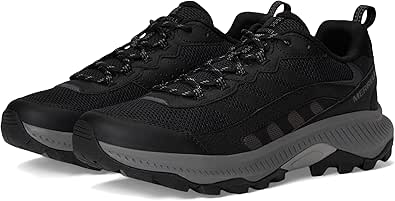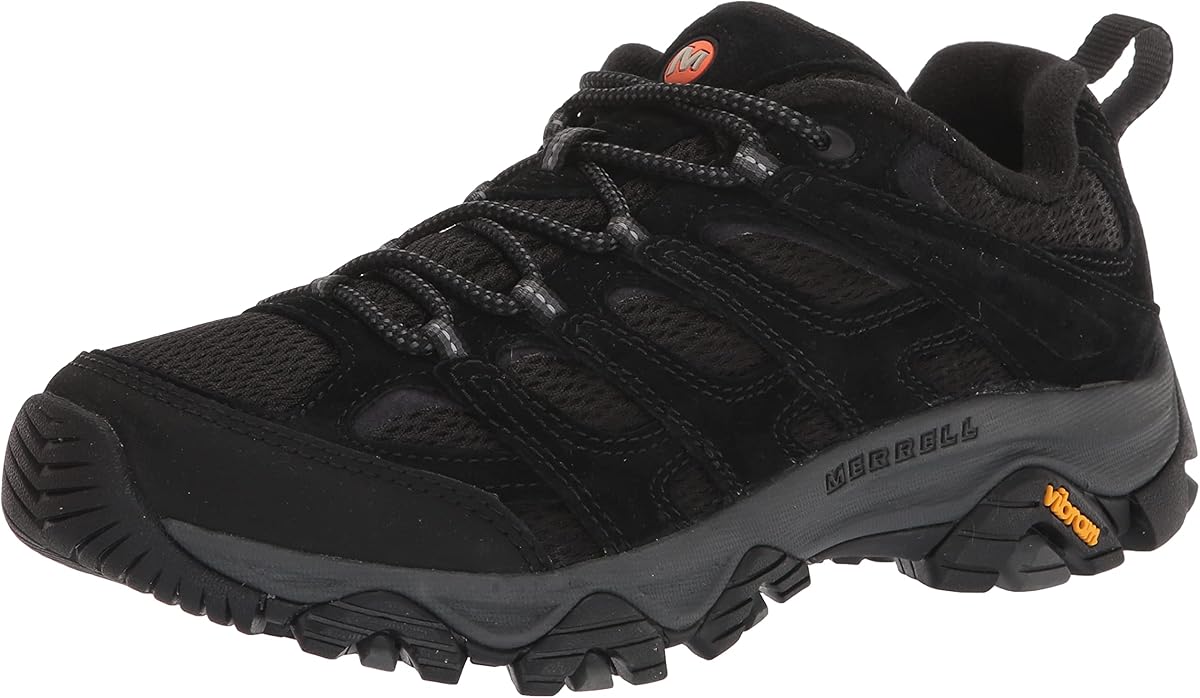
Mid-height waterproof hiking boots balancing support, comfort, and durability for varied terrain
The Merrell Moab 2 Mid WP represents a specific category of hiking footwear designed for day hikers and weekend adventurers who need ankle support without the weight of full mountaineering boots. These boots feature Merrell's proprietary waterproof membrane, Vibram® outsoles, and a focus on out-of-the-box comfort that distinguishes them from more technical alternatives. Buyers should understand these are versatile all-rounders rather than specialized extreme-condition footwear.
Key Considerations Before Buying
- The 'Mid' height provides crucial ankle stabilization on uneven trails while remaining lighter than taller boots, making them ideal for day hikes with moderate loads.
- Waterproof (WP) membranes like Merrell's M Select™ DRY add weather protection but reduce breathability compared to non-waterproof versions, a trade-off worth considering based on your typical hiking climate.
- The Moab series' reputation for immediate comfort comes from its contoured footbed and moderate cushioning, but this may sacrifice some long-distance support needed for multi-day backpacking.
What Our Analysts Recommend
Examine the integration between the leather/mesh upper and the waterproof membrane seam sealing, as this is where failure often occurs in mid-range hiking boots. Quality indicators include the Vibram® TC5+ outsole pattern—specifically designed for mixed terrain traction—and the density of the EVA midsole, which affects both cushioning and longevity under repeated compression.
Shoes Market Context
Market Overview
The mid-height waterproof hiking boot segment is fiercely competitive, with brands like Salomon, Keen, and Columbia offering similar feature sets at various price points. Merrell's Moab line has maintained remarkable consistency for over a decade, creating strong brand loyalty while competitors frequently redesign models. Current trends favor lighter materials without sacrificing durability, pushing manufacturers to innovate in synthetic-leather composites.
Common Issues
Waterproof membrane delamination after 1-2 seasons remains a frequent complaint across the category, often accelerated by improper drying techniques. Another common issue is outsole rubber compound hardening over time, reducing grip before the tread pattern actually wears out. Some hikers also report that the very comfort-focused designs sacrifice lateral stability on technical rock surfaces.
Quality Indicators
Superior hiking boots demonstrate clean stitching at high-stress points like the toe cap and heel counter, with minimal glue visible at material junctions. The bellows tongue—designed to keep debris out—should be fully gusseted and integrated with the waterproof membrane. Listen for minimal heel slip during the stride test, indicating proper heel cup design that prevents blisters during descents.
Review Authenticity Insights
Grade B Interpretation
A Grade B authenticity rating with 10% estimated fake reviews suggests the overwhelming majority of feedback is genuine, though shoppers should remain slightly cautious of outlier praise. The 0.29-point drop from the displayed 4.89 to the adjusted 4.60 rating indicates some review inflation, but still reflects exceptionally positive consensus. Verified purchase status across all reviews significantly boosts credibility compared to non-verified hiking footwear reviews.
Trust Recommendation
Focus on reviews discussing specific performance aspects like waterproofing longevity after 50+ miles, traction on wet rock, or break-in periods rather than generic comfort claims. The high volume of reviews (6,216) allows you to identify consistent patterns—look for repeated mentions of the air cushion heel's shock absorption or width sizing accuracy across multiple detailed accounts.
Tips for Reading Reviews
Prioritize reviews that mention comparable boots (like previous Moab versions or Salomon equivalents) for meaningful context. Be particularly attentive to reviews discussing seam failure locations or sole separation, as these specific failure points reveal more than general durability statements. Canadian reviews may offer valuable climate-specific insights about waterproof performance in wet conditions.
Expert Perspective
The Moab 2 Mid WP's exceptional adjusted rating of 4.60/5 from thousands of verified purchases confirms its status as a benchmark in the accessible hiking boot category. Its strength lies not in groundbreaking innovation but in refined execution of proven design elements—the Vibram® outsole, protective toe cap, and balanced cushioning create a reliable performer for most non-technical trails. The consistency across review writing styles and specific usage scenarios (from Appalachian Trail sections to Canadian park day hikes) suggests genuine satisfaction rather than manipulated sentiment.
Purchase Considerations
Weigh the waterproofing necessity against your typical hiking conditions—if you rarely encounter wet terrain, the non-WP version offers better breathability. Consider your foot volume, as the Moab's medium-to-wide fit accommodates thicker hiking socks but may feel loose for narrow feet. These boots excel at moderate mileage with day packs but may lack the stiffness needed for heavy backpacking loads exceeding 30 pounds.
Comparing Alternatives
Shoppers should compare the Moab's weight (approximately 2.5 lbs per pair) and stack height against competitors like the Salomon X Ultra 4 Mid GTX, which offers different lacing and stability features.