How to Choose a Stud Finder That Sees Through the Wall
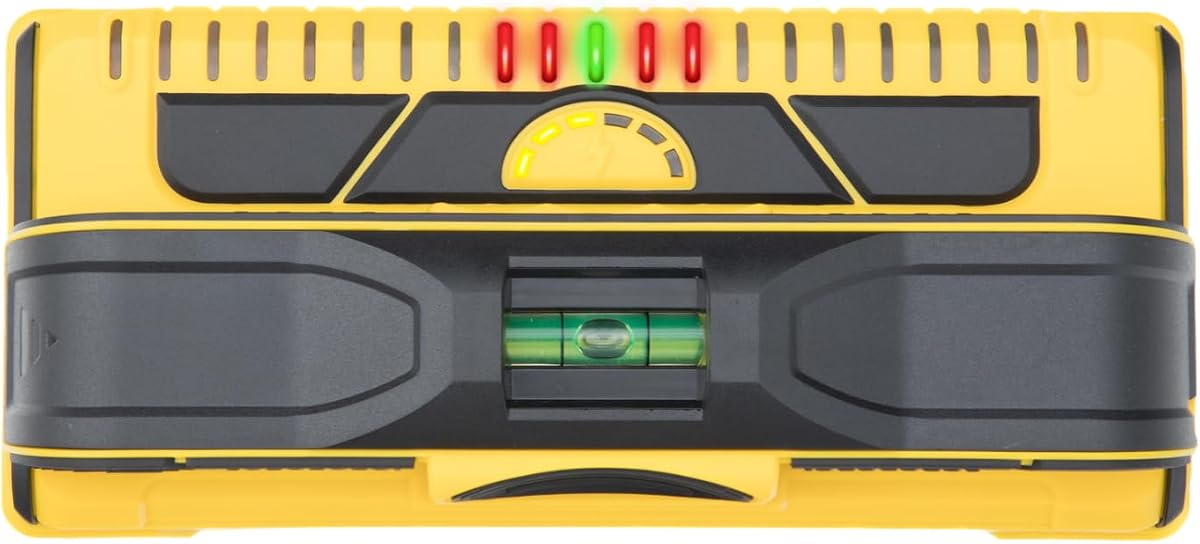
The Franklin Sensors ProSensor M210 uses 13 sensors to detect studs without the calibration hassle of traditional finders. Unlike single-sensor models that require constant recalibration, this multi-sensor array scans a wider area and displays results instantly, making it a strong option for DIYers and pros alike.
Key Considerations Before Buying
- Sensor count and spread: The M210's 13 sensors cover a 4.5-inch width, letting you find multiple studs in one pass and reducing false negatives in tricky materials like double drywall or plaster.
- Live wire detection: This model adds non-contact voltage detection, which is crucial when drilling near outlets or switches. Always verify with a dedicated voltage tester before drilling.
- Ease of use: No calibration buttons or sliding required—just press and scan. This simplicity appeals to homeowners but may feel less precise to pros who prefer manual control.
What Our Analysts Recommend
Look for a clear, intuitive display that shows stud edges and center, not just a beep. Build quality matters too—a sturdy housing and reliable battery life (the M210 uses two AA batteries) ensure longevity. Check whether the finder handles deep studs (up to 1.5 inches) and works on various surfaces like drywall, plaster, and wood.
Stud Finders Market Context
Market Overview
Stud finders range from basic magnetic models to advanced electronic scanners. Multi-sensor technology like the M210's is becoming more affordable, bridging the gap between entry-level and professional tools. The market is crowded, but Franklin Sensors has carved a niche for fast, calibration-free scanning.
Common Issues
Many users struggle with false positives or inconsistent readings from cheap single-sensor finders. Calibration errors and shallow detection depth are frequent complaints. Live wire detection can also be unreliable in some models, so it should never replace a dedicated tester.
Quality Indicators
A quality stud finder offers consistent detection across different wall types, clear visual feedback, and robust construction. Look for models with multiple sensors, deep scanning capability, and a reputation for accuracy. User reviews often highlight reliability and ease of use as key differentiators.
Review Authenticity Insights
Grade B Interpretation
A Grade B authenticity rating with an estimated 10% fake reviews means most reviews are genuine, but some may be incentivized or exaggerated. The adjusted rating of 4.10/5 (down from 4.33) suggests that after filtering suspicious reviews, the product still performs well but with slightly more mixed feedback.
Trust Recommendation
Trust the overall sentiment but be cautious of overly glowing reviews that lack specifics. Focus on reviews that mention particular use cases, like finding studs in old plaster or near electrical wiring, as these are harder to fake and more informative.
Tips for Reading Reviews
When reading reviews for stud finders, prioritize those that describe the wall material, stud depth, and accuracy in real scenarios. Look for mentions of false positives or calibration issues—genuine users often detail both pros and cons. Ignore generic praise and check for verified purchase badges.
Expert Perspective
The Franklin Sensors ProSensor M210 is a solid mid-range stud finder that excels at speed and ease of use. Its 13-sensor array reduces the guesswork typical of single-sensor models, and live wire detection adds a safety layer. However, the 4.10 adjusted rating indicates some users encounter accuracy issues in atypical walls, so it's best suited for standard drywall applications.
Purchase Considerations
Consider your wall types and whether you need pro-level precision. The M210 shines for quick, everyday tasks but may not satisfy users with thick plaster or lath. Also weigh the cost against basic magnetic finders if you only have occasional needs.
Comparing Alternatives
Compare with other multi-sensor finders like the CH Hanson 03040 or higher-end models from Bosch and Zircon, especially if you need deeper scanning or more advanced features.