
Mastering Foot Care: Choosing the Right 2-Sided Pumice Stone for Callus Removal
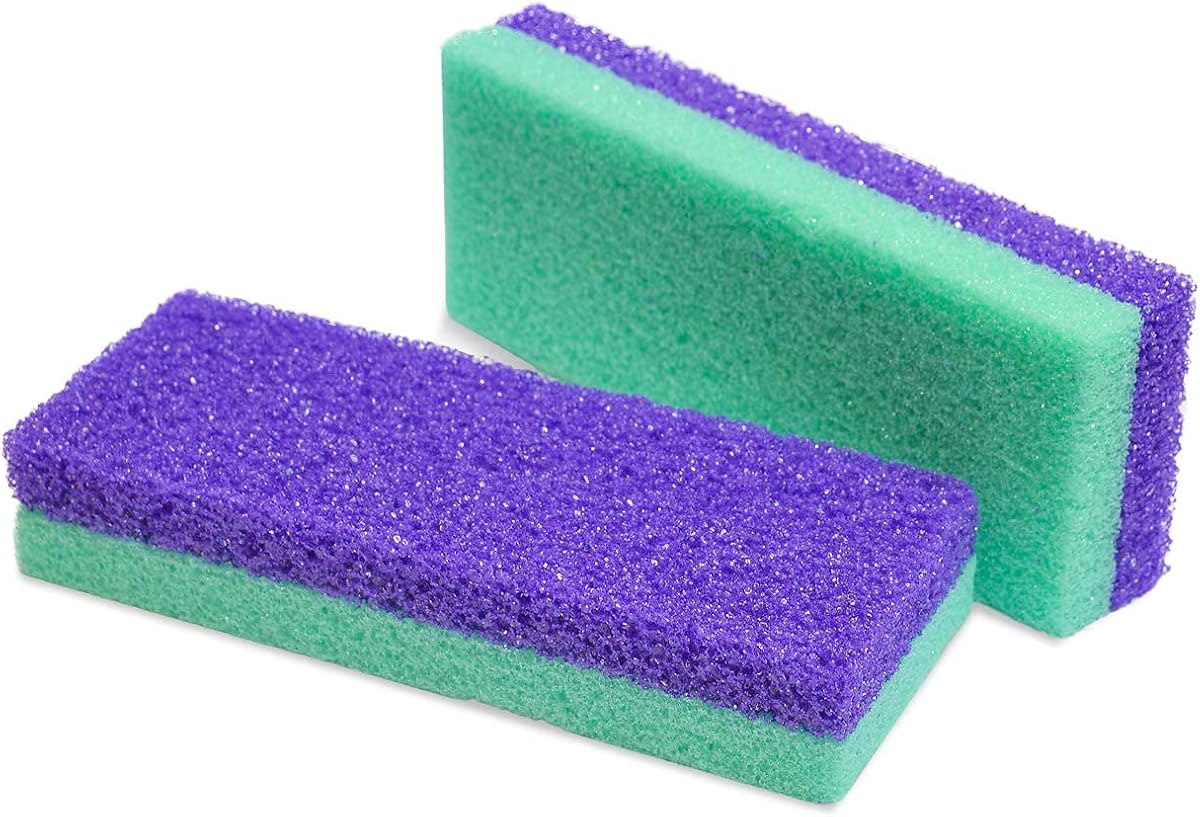
When shopping for a pumice stone like the Karlash Professional Pedicure Foot Pumice Stone, understanding the nuances of 2-sided designs is crucial. This pack of two offers dual-grit surfaces—typically a coarser side for tough calluses and a finer side for smoothing—but not all dual-sided stones are created equal. You need to consider grit durability, ergonomics, and how the stone handles wet and dry use to avoid skin damage.
Key Considerations Before Buying
- Grit coarseness matters: A 2-sided stone should have a distinct coarse side (around 100-120 grit) for thick calluses and a finer side (180-220 grit) for gentle buffing. The Karlash stone’s effectiveness depends on whether these grits are well-defined and last through multiple uses.
- Material and longevity: Natural pumice stones can wear down quickly, while synthetic or bonded stones last longer but may be less porous. Look for stones that resist crumbling—a common issue with lower-quality pumice—to ensure the Karlash pack provides value over time.
- Ergonomics and grip: Wet use makes stones slippery; a stone with a contoured shape or a built-in handle (like some Karlash variants) improves control. Without a handle, you’ll need to grip firmly, which can be tiring during extended pedicure sessions.
What Our Analysts Recommend
Quality indicators for a pumice stone include uniform pore structure (for even abrasion), a weight that feels substantial but not heavy, and a surface that doesn’t shed excessively. Check for a smooth finish on the finer side—rough edges can cause micro-tears. Also, ensure the stone is easy to clean; porous stones that trap dead skin can harbor bacteria if not dried properly.
Pumice Stones Market Context
Market Overview
The foot care market in Canada is saturated with pumice stones ranging from single-use disposable blocks to professional-grade dual-sided stones. The Karlash product sits in the mid-range segment, competing with brands like Tweezerman and PedEgg, but at a lower price point. Consumer preference is shifting toward durable, multi-use stones that offer both exfoliation and smoothing without harsh chemicals.
Common Issues
Common problems include stones that disintegrate after a few uses, leaving gritty residue, or stones that are too abrasive for sensitive skin. Many users also report that dual-sided stones often have an ineffective fine side—it may be too rough or too smooth. Another frequent complaint is that stones lack a non-slip surface, making them dangerous in the shower.
Quality Indicators
High-quality pumice stones are typically made from natural volcanic rock with consistent density, or from bonded materials that mimic pumice. Look for stones that are kiln-dried to prevent mold growth and those with a hardness rating of 4-5 on the Mohs scale—soft enough to exfoliate but hard enough to last. Brands that offer a satisfaction guarantee or replace defective stones signal confidence in their product.
Review Authenticity Insights
Grade B Interpretation
The Grade B rating with a 10% estimated fake review rate indicates that while the majority of feedback is trustworthy, you should approach a small subset of reviews with caution. This is typical for popular, lower-priced foot care products where incentivized or unverified reviews can inflate ratings slightly. The 4.13 average is likely close to the true customer experience, but the adjusted 3.90 suggests some disappointment.
Trust Recommendation
Given the 10% fake rate, focus on reviews labeled as 'Verified Purchase'—nearly all here are—and look for detailed usage stories. The high number of reviews (5,234) provides a solid sample size, so the overall sentiment is reliable. However, be skeptical of overly effusive 5-star reviews that lack specifics about callus type or frequency of use.
Tips for Reading Reviews
For pumice stones, pay attention to reviews that mention how long the stone lasted before wearing out, as this is a key quality indicator. Also, look for comments about the stone’s performance on both wet and dry skin—many users may not realize that pumice works best when wet. Ignore reviews that only praise the packaging or shipping speed; they add no value for product performance.
Expert Perspective
The Karlash Professional Pedicure Foot Pumice Stone offers a practical, budget-friendly solution for at-home foot care, particularly for those with moderate callus buildup. Its 2-sided design provides versatility, but the 10% fake review rate and adjusted rating of 3.90 suggest it may not meet the highest expectations for durability or grit consistency. The pack of two is a smart value proposition, though individual stones may wear out faster than premium alternatives. For the price, it’s a solid entry-level option, but heavy users might need to replace them more frequently.
Purchase Considerations
Weigh the cost savings of a 2-pack against potential longevity issues—if you have very thick calluses or use the stone daily, you might prefer a single, higher-end stone. Also, consider that without a handle, this stone requires careful handling in the shower. If you’re new to pumice stones, this is a low-risk trial; if you’re experienced, you may find the coarse side lacking aggression.
Comparing Alternatives
Shoppers should compare with brands like Tweezerman’s pumice stone (known for durability) or PedEgg’s micro-file (for a different exfoliation method). For similar pricing, look for stones with ergonomic handles or those made from natural pumice with a longer lifespan.


