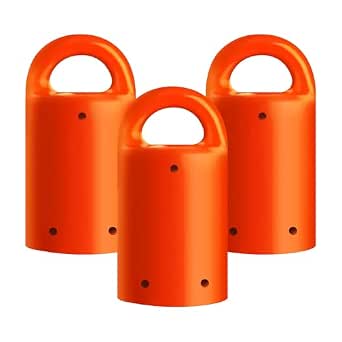
Magnetic Stud Finders: What to Know Before You Buy
A magnetic stud finder like the DOT Loose Magnet works by latching onto the drywall screws or nails that fasten drywall to studs, rather than using electronic capacitance sensing. That makes it a simple, battery-free tool, but it also means its accuracy depends on how your walls were built and how the magnet is housed.
Key Considerations Before Buying
- Magnetic finders only work where fasteners are present and reachable, so they are most reliable on standard drywall over wood or steel studs and less useful on plaster-and-lath, thick paneling, or walls with dense insulation behind them.
- A 'loose magnet' design usually means the magnet can slide or pivot in its housing to help it snap toward a screw head; check that the magnet is strong enough (neodymium is typical) and that the housing keeps it from falling out or scratching paint.
- Because these tools are small and pocketable, look at whether the design includes a clip, lanyard hole, or level so you can mark stud lines and keep the finder handy on a ladder.
What Our Analysts Recommend
Quality magnetic stud finders are judged by magnet strength, housing durability, and how cleanly they slide across painted drywall. A strong rare-earth magnet, a body that won't crack when dropped, and a smooth gliding surface are better indicators than extra features you may never use.
Stud Finders Market Context
Market Overview
Stud finders split into electronic scanners and magnetic models, and magnetic finders occupy the low-cost, no-battery niche. They have gained popularity among DIYers and pros doing quick layout work because they are inexpensive, instant-on, and nearly impossible to calibrate wrong.
Common Issues
The most frequent complaints about magnetic stud finders are weak magnets that fail to grab screws through thicker drywall, magnets that detach from their housing, and confusion when walls have metal corner beads, conduit, or plumbing that also attract the magnet. Users also report false positives near electrical boxes and metal ductwork.
Quality Indicators
A credible magnetic finder uses a strong neodymium magnet, has a housing that holds the magnet securely, and is designed to slide without marring walls. Clear instructions explaining how to confirm a stud by finding two adjacent fasteners vertically are a sign the maker understands real-world use.
Review Authenticity Insights
Grade B Interpretation
A Grade B authenticity score with an estimated 15% fake review rate means the 5.00/5 star average is somewhat inflated, and the adjusted 4.60/5 is the more realistic figure. That is still a strong rating, but it suggests a minority of reviews may be promotional or low-effort rather than reflecting long-term ownership.
Trust Recommendation
Treat the perfect 5.00 rating with mild skepticism and focus on the adjusted 4.60 figure, which still indicates satisfied buyers. Look for reviews that mention specific wall types, magnet strength, or durability over months of use, since those are harder to fake and more useful to your decision.
Tips for Reading Reviews
For a small magnetic tool like this, prioritize reviews that describe the magnet's grip on actual screws, whether it stayed attached in a pocket, and how it performed on different drywall thicknesses. Skim past one-line praise and look for reviewers who mention what didn't work, as balanced reviews tend to be genuine.
Expert Perspective
The DOT Loose Magnet Stud Finder sits in the budget-friendly magnetic category, and its adjusted 4.60/5 rating across 142 reviews suggests most buyers find it effective for basic drywall stud locating. The 'loose magnet' approach is a legitimate low-tech method that works well when fasteners are present and the magnet is strong, though it cannot match electronic scanners for detecting pipes, wiring, or studs without visible fasteners. Given the small sample size and Grade B authenticity, the tool looks like a reasonable value but not a proven long-term performer.
Purchase Considerations
Buy this if you mainly work with standard drywall on wood or steel studs and want a fast, battery-free way to find fastener lines. If your home has plaster walls, thick tile backer, or you need to detect non-metallic objects, budget for an electronic stud finder instead or in addition.
Comparing Alternatives
Compare this with other magnetic finders from established brands and with entry-level electronic stud finders, since price differences are small and capability gaps can be significant.