
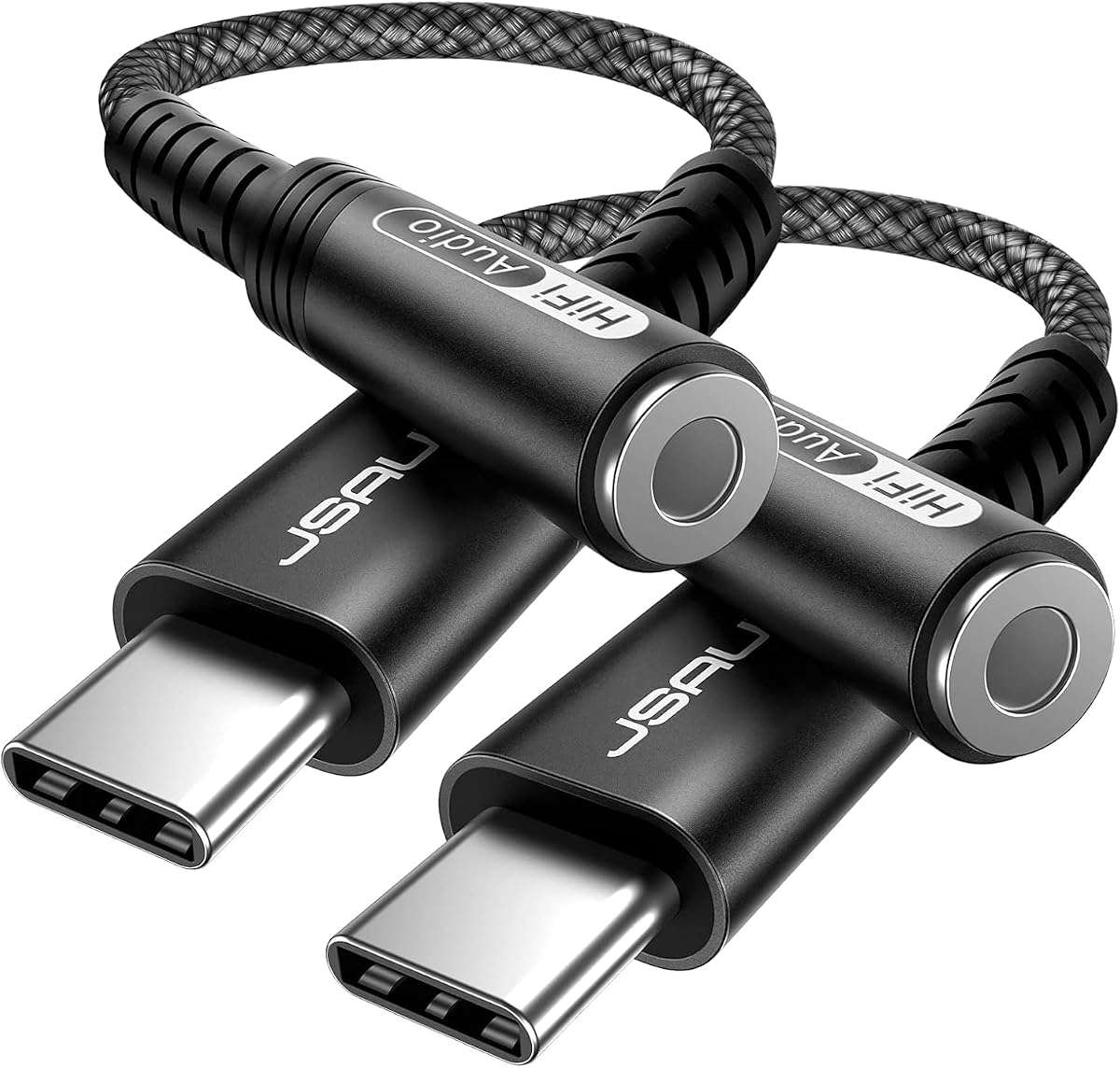
What to Know Before Buying a USB-C to 3.5mm Adapter
A USB-C to 3.5mm adapter seems simple, but the JSAUX 2-pack for Samsung S25 reveals important nuances—like DAC quality, mic support, and durability—that affect daily use. Since many modern phones lack a headphone jack, choosing the right adapter ensures your wired headphones or earbuds work reliably for calls, music, and more.
Key Considerations Before Buying
- DAC compatibility: Not all USB-C ports output analog audio, so an adapter with a built-in DAC (like this JSAUX model) is essential for consistent sound across devices, especially for Samsung's recent flagships.
- Mic and remote support: If you use wired headsets with inline controls, ensure the adapter passes through microphone and button signals—otherwise, calls and voice commands won't work.
- Build and strain relief: The adapter's cable and connectors endure daily plugging and unplugging; look for reinforced joints and flexible materials to avoid fraying or loose connections.
What Our Analysts Recommend
Prioritize adapters with a recognized DAC chip (e.g., from Realtek or Cirrus Logic) and explicit support for CTIA/AHJ standards to ensure broad compatibility. Check for gold-plated plugs and a braided or thick cable for longevity, and verify that the adapter is slim enough to fit through a phone case.
Adapters Market Context
Market Overview
The USB-C to 3.5mm adapter market has grown as major brands like Samsung and Google dropped headphone jacks, but quality varies widely—from bare-bones passive adapters to active DAC-equipped models. Consumers often face a confusing landscape where cheap adapters fail to deliver full functionality, making informed choices critical.
Common Issues
Frequent complaints include poor sound quality, static, or no audio at all due to incompatible DACs; microphone and remote buttons not working; and adapters that break within weeks due to flimsy construction. Some users also report issues with case compatibility or loose connections after repeated use.
Quality Indicators
A quality adapter specifies DAC compatibility, supports both audio output and microphone input, and features durable materials like aluminum housings and reinforced cables. Certifications like USB-IF or clear compatibility lists (e.g., Samsung S25) are strong signals of reliability.
Review Authenticity Insights
Grade A Interpretation
An A authenticity grade with an estimated 8% fake reviews means the vast majority of the 29,362 ratings are genuine, providing a trustworthy foundation for evaluating the JSAUX adapter. The adjusted rating of 4.10/5 (down from 4.22) accounts for suspicious entries, still indicating solid overall satisfaction.
Trust Recommendation
You can generally trust the review sentiment, but focus on detailed reviews mentioning specific use cases (e.g., with Samsung S25, call quality) to gauge real-world performance. The 2-pack value proposition is frequently highlighted, suggesting it meets expectations for most buyers.
Tips for Reading Reviews
When reading reviews for adapters, prioritize those that mention long-term durability, compatibility with specific headphone models, and microphone performance. Short, generic reviews are less helpful; look for comments on build quality and whether the adapter fits through a phone case.
Expert Perspective
The JSAUX USB-C to 3.5mm adapter stands out as a reliable choice for Samsung S25 users, backed by a strong review base and good authenticity. Its 2-pack format offers convenience and value, and the active DAC design likely ensures broad compatibility. While the adjusted rating of 4.10/5 suggests minor imperfections, the high volume of verified purchases indicates consistent performance.
Purchase Considerations
Weigh the need for a 2-pack—useful for keeping one at home and one on the go—against potential quality variance between units. Ensure it supports the specific functions you need, such as microphone use for calls, and consider whether the cable length and build suit your daily routine.
Comparing Alternatives
Compare with other DAC-equipped adapters from brands like Apple or Google, which may offer different compatibility or warranty terms, but often at a higher price per unit.


