
Choosing the Right Cabin Air Filter for Your Honda: What Matters
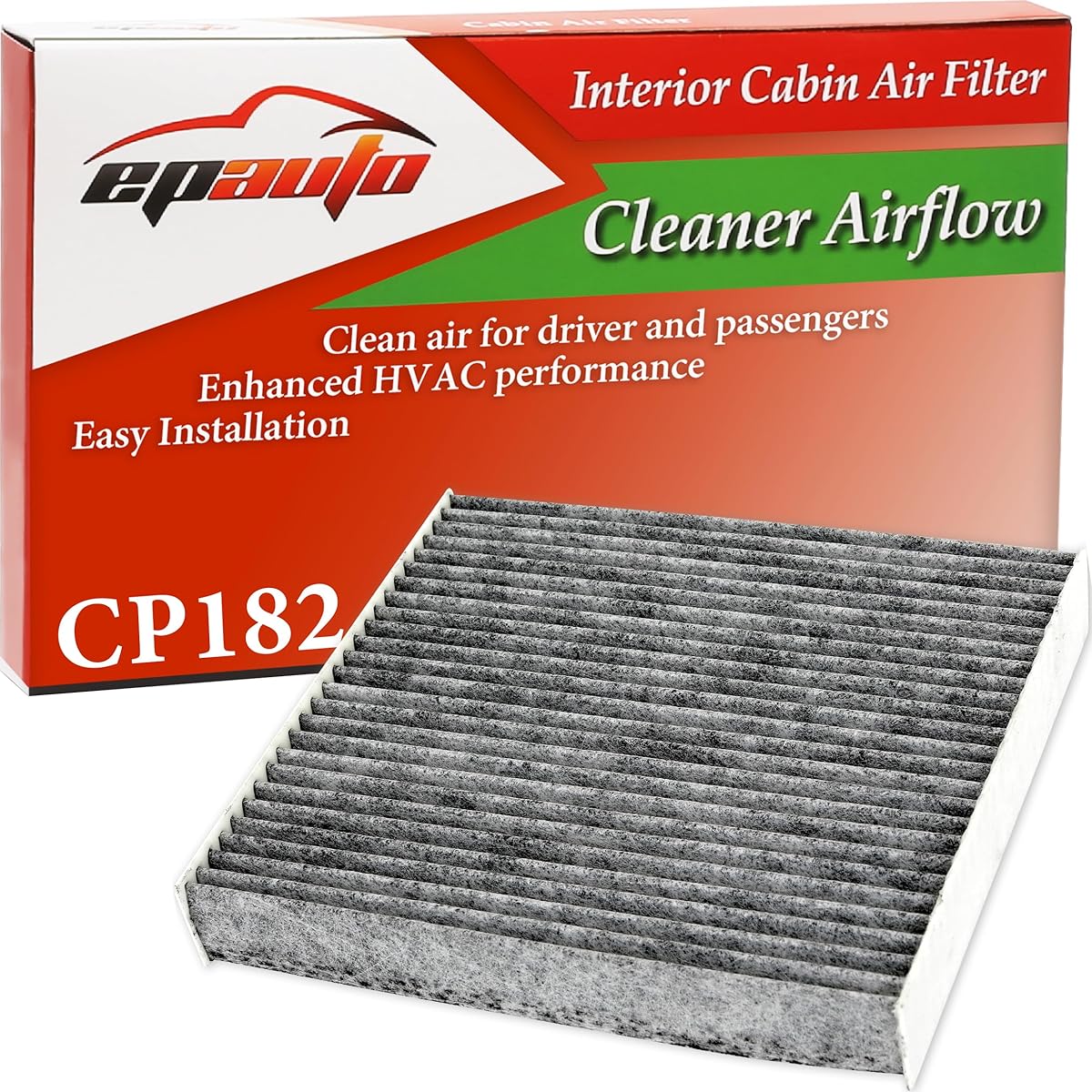
The EPAuto CP182 (CF11182) is a direct-fit cabin air filter designed for many Honda and Acura models, replacing OEM part numbers like 80292-SDA-A01. Cabin filters are often overlooked, but they directly affect cabin air quality and HVAC airflow, so choosing the right one is more important than it seems.
Key Considerations Before Buying
- Confirm fitment by cross-referencing your vehicle's year, make, and model with the EPAuto CP182 compatibility list and the OEM part number CF11182, as Honda uses different filter sizes across generations.
- Decide between basic particulate filters and upgraded activated-carbon versions; the CP182 is a standard particulate filter, so if you want odor reduction, you may need a carbon variant.
- Check the recommended replacement interval in your owner's manual (often 12,000–15,000 miles or annually) and factor in your driving environment—dusty or polluted areas may require more frequent changes.
What Our Analysts Recommend
A quality cabin filter should have a sturdy frame that seals well against the housing, evenly pleated media for consistent airflow, and clear compatibility documentation. Look for filters that meet or exceed OEM specifications for particle capture and airflow resistance, and avoid units with flimsy frames or uneven pleats that can bypass air.
Air Filters Market Context
Market Overview
The cabin air filter aftermarket is crowded with budget options, but quality varies widely; many low-cost filters skimp on media density or frame rigidity. EPAuto has carved a niche as a value-oriented brand with broad Honda coverage, and the CP182's strong 4.89-star rating (adjusted to 4.60) across over 10,000 reviews suggests solid customer satisfaction.
Common Issues
Common complaints with aftermarket cabin filters include poor fit leading to rattles or air bypass, reduced airflow from overly dense media, and premature clogging in dusty conditions. Some users also report that cheaper filters lack the activated carbon layer needed for odor control, which is a key differentiator.
Quality Indicators
High-quality cabin filters typically feature a reinforced frame, uniform pleat spacing, and media that balances filtration efficiency with low airflow resistance. Certifications like ISO 9001 for manufacturing and clear OEM cross-reference numbers are good signs, as is a brand's transparency about materials and fitment.
Review Authenticity Insights
Grade B Interpretation
A Grade B authenticity rating with an estimated 10% fake review percentage means the majority of reviews are likely genuine, but a small portion may be incentivized or exaggerated. Since all reviews are verified purchases, the risk of completely fabricated reviews is low, but you should still approach perfect scores with some skepticism.
Trust Recommendation
Given the high volume of reviews and verified purchase status, you can generally trust the overall sentiment, but focus on reviews that mention specific installation experiences or long-term performance. Be wary of reviews that are overly brief or generic, as they may be less informative.
Tips for Reading Reviews
When reading reviews for cabin filters, prioritize those that include vehicle model and year, mention fitment issues or airflow changes, and discuss durability over time. Look for patterns in critical reviews—if multiple users report the same fitment problem, it's likely a real concern.
Expert Perspective
The EPAuto CP182 appears to be a reliable, budget-friendly cabin air filter for Honda owners, backed by a large volume of positive reviews and a reasonable authenticity profile. Its direct-fit design and OEM cross-reference make it a convenient choice for DIYers, though the lack of activated carbon means it won't address odors. The adjusted rating of 4.60 indicates strong overall satisfaction, but the 10% fake review estimate suggests some caution is warranted.
Purchase Considerations
Weigh the cost savings against potential fitment nuances—some users report slight variations from OEM, so check return policies. If you're sensitive to odors or live in an area with heavy traffic pollution, you might prefer a carbon-infused filter, even at a higher price.
Comparing Alternatives
Shoppers should compare the CP182 with other Honda-compatible cabin filters, including OEM and premium carbon options, to ensure the best balance of price, filtration, and fit for their specific model.


