Choosing a Power Tower: Stability, Adjustability, and Space Requirements Matter Most
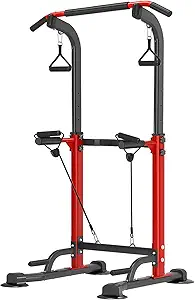
When evaluating the RELIFE Power Tower, focus on its specific combination of multi-grip pull-up bars, angled dip stations, and push-up handles. This particular model's 330lb weight capacity and compact footprint distinguish it from bulkier commercial-grade towers, making it suitable for home gyms with limited space but requiring careful assessment of stability.
Key Considerations Before Buying
- Assess your ceiling height and floor space, as this tower's vertical design requires adequate clearance for full-range pull-ups and safe dismounts.
- Verify the bolt-together assembly's long-term stability, especially for dynamic movements like kipping pull-ups or weighted dips, which stress joints differently than fixed machines.
- Consider the padding thickness and vinyl quality on the armrests and back support, as these contact points endure significant pressure during dips and leg raises.
What Our Analysts Recommend
Examine the steel gauge (typically 2mm for this category) and the weld quality at high-stress junctions like the main uprights and dip station connections. Quality towers use reinforced gussets or additional cross-bracing, not just bolt-on attachments, to prevent wobble under load.
Dip Stands Market Context
Market Overview
The home power tower market is saturated with value-oriented models like this RELIFE unit, competing directly with brands like Stamina and Ultimate Body Press on features-per-dollar. Consumers increasingly seek space-efficient strength stations that offer pull-up, dip, and knee raise capabilities without dedicated wall mounting.
Common Issues
Frequent complaints center on assembly complexity, bolt stripping during tightening, and gradual loosening of joints leading to instability. Lower-quality foam grips degrade quickly with sweat exposure, and powder-coat finishes may chip where adjustable components rub.
Quality Indicators
Superior towers feature through-bolt construction at major joints rather than self-tapping screws, and include leveling feet for uneven floors. Look for models specifying cold-rolled steel and offering replacement part availability, which indicates manufacturer confidence in durability.
Review Authenticity Insights
Grade B Interpretation
A Grade B with 15% estimated fake reviews suggests generally reliable feedback but warrants scrutiny of extreme 5-star reviews lacking assembly or durability details. The adjusted 4.50 rating from the verified 4.83 is more indicative of real-world performance, accounting for incentivized reviews.
Trust Recommendation
Prioritize reviews discussing long-term use (6+ months), specific exercises like L-sit pull-ups or weighted dips, and mentions of bolt retightening routines. Verified reviews noting the included Allen wrenches' quality or pad firmness offer more actionable insight than generic praise.
Tips for Reading Reviews
Search for reviews mentioning 'lateral sway' during dips or 'bar flex' during pull-ups, as these indicate structural observations. Photos showing the unit after months of use in home environments provide more value than staged stock-image reviews.
Expert Perspective
The RELIFE Power Tower presents a compelling value proposition for intermediate home users, evidenced by its strong adjusted 4.50 rating from thousands of verified purchases. Its high rating amidst common assembly complaints suggests users find the post-build stability and exercise versatility outweigh initial setup frustrations. The multi-grip pull-up bar and included dip station offer legitimate upper-body development tools, though the back pad for knee raises may limit advanced core progression compared to vertical leg raise stations.
Purchase Considerations
This model makes sense for users under 6'2" seeking dip and pull-up capabilities without wall damage, but those over 200lbs should monitor joint stability closely. Consider your willingness to periodically check and tighten bolts—a non-negotiable maintenance task for bolt-together towers at this price point.
Comparing Alternatives
Compare the bolt-together design and 330lb capacity against welded alternatives from brands like Titan Fitness, which may offer greater rigidity but less adjustability for ceiling height constraints.