
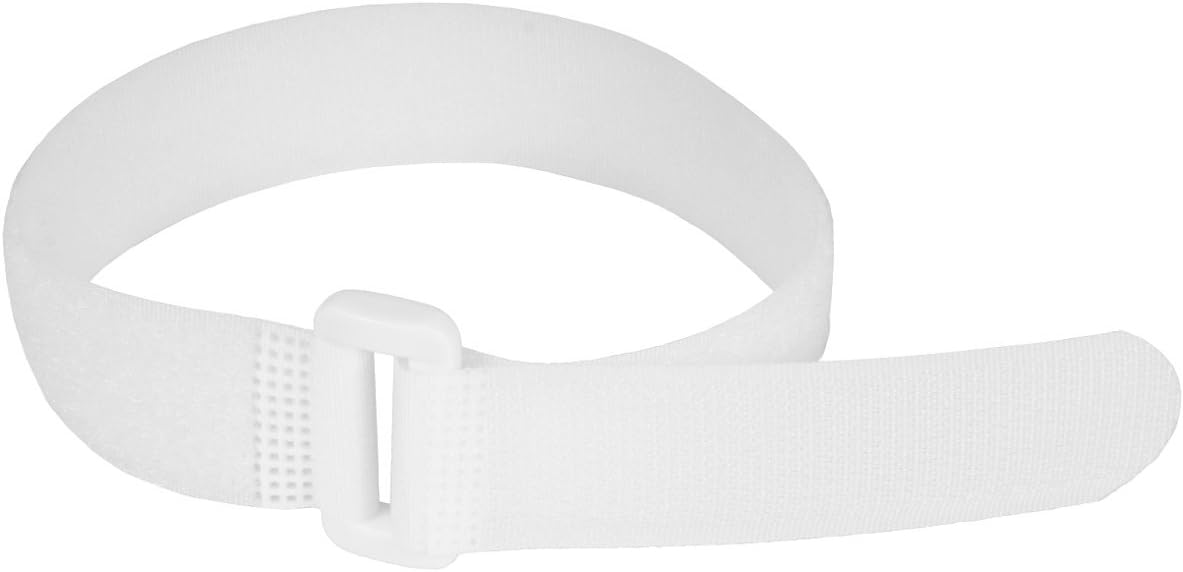
Choosing Reusable Hook-and-Loop Straps: What Matters for 1" x 12" Applications
When selecting reusable cinch straps like this 12-pack with bonus cable ties, focus on the specific hook-and-loop closure system and the 12-inch length's versatility. These white straps are designed for temporary or adjustable securing needs rather than permanent installations, making their reusability and material durability critical factors.
Key Considerations Before Buying
- The 1-inch width provides substantial surface area for the hook-and-loop closure, which directly impacts holding strength for bundled items like cables, tools, or rolled materials.
- Consider the white color's visibility and cleanliness maintenance in your intended environment, as lighter straps show dirt more readily than darker alternatives.
- The inclusion of two bonus reusable cable ties indicates the manufacturer anticipates mixed organizational needs, suggesting these straps work well alongside traditional zip ties for different applications.
What Our Analysts Recommend
Examine the hook density on the rough side and loop integrity on the soft side—quality straps maintain consistent adhesion through multiple uses without significant lint transfer. The polyester webbing should show tight, uniform stitching at the fold point where the hook section attaches, as this is a common failure area in cheaper alternatives.
Cable Straps Market Context
Market Overview
The reusable cable strap market has expanded beyond basic Velcro-branded products to include various hook-and-loop systems with differing adhesive qualities and durability claims. Canadian consumers particularly value multipurpose solutions that handle both organizational and light-duty securing tasks.
Common Issues
Lower-quality straps suffer from hook detachment from the webbing, reduced adhesion after repeated use, or insufficient stiffness to maintain tension around bundled items. Some products also use inferior dyes that bleed or fade, especially problematic with white straps.
Quality Indicators
Premium straps feature double-stitched or welded end tabs, high-density hook patterns that engage more loops per square inch, and anti-fray treatment on webbing edges. The best products maintain 80%+ original holding strength through 50+ reuse cycles.
Review Authenticity Insights
Grade B Interpretation
A Grade B authenticity rating with 10% estimated fake reviews suggests generally reliable feedback with some promotional content. For this product category, fake reviews often exaggerate durability claims or obscure limitations about adhesion strength degradation.
Trust Recommendation
Focus on reviews that mention specific use cases like securing RV hoses, organizing workshop tools, or managing computer cables—these demonstrate genuine application testing. Be skeptical of reviews claiming 'indestructible' performance, as all hook-and-loop systems experience gradual wear.
Tips for Reading Reviews
Look for reviews discussing actual reuse counts ('used 20 times still strong') rather than vague durability claims. Canadian reviewers often mention temperature performance, which is valuable for understanding how these straps handle garage storage or seasonal use.
Expert Perspective
With an adjusted 4.80/5 rating from over 6,000 reviews, this product performs well within its category, particularly for consumers needing adjustable, non-permanent securing solutions. The 12-inch length hits a sweet spot for versatility, handling everything from computer cable bundles to small tool rolls. The maintained high rating after authenticity adjustment indicates genuine satisfaction with the hook-and-loop adhesion quality and webbing durability.
Purchase Considerations
Evaluate whether your needs align with reusable straps' advantages—adjustability and no waste—versus disposable zip ties' lower cost per use. The 12-pack quantity makes sense for multiple small projects or a single substantial organization task, while the white color works best in clean environments or where visibility is important.
Comparing Alternatives
Compare these straps against both shorter/longer options and different closure mechanisms if your application requires specific tension maintenance or environmental resistance.


