
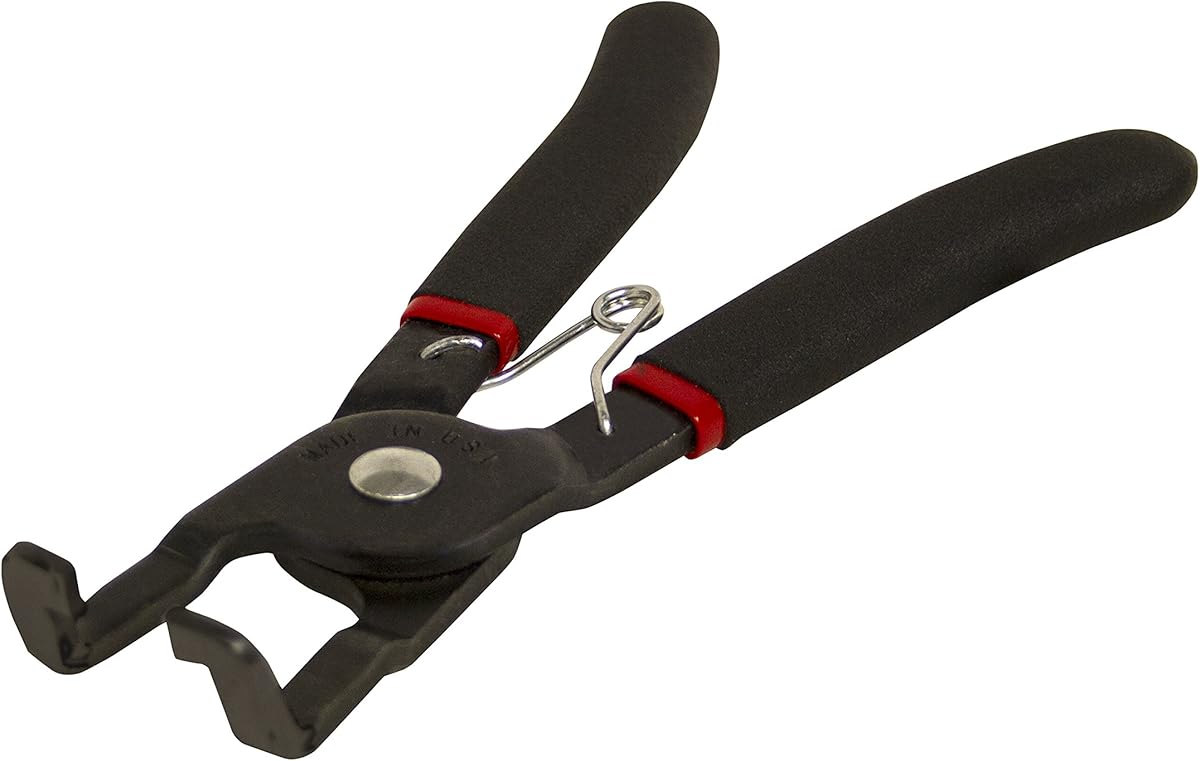
Essential Fuel Line Tool: What to Know Before Buying Lisle 37160 Pliers
The Lisle 37160 Disconnect Pliers are a specialized automotive tool designed specifically for releasing quick-connect fuel line fittings, commonly found on fuel injectors, fuel rails, and fuel filters. Unlike standard pliers, these feature precisely angled jaws and a unique release mechanism that prevents damage to the fragile plastic tabs on fuel line connectors. Buyers should understand this tool's specific application for GM, Ford, Chrysler, and other vehicles using plastic quick-connect fuel fittings from the late 1980s onward.
Key Considerations Before Buying
- Vehicle compatibility is crucial—these pliers work with specific plastic quick-connect fittings, not metal or other connector types, so verify your vehicle's fuel line connection style before purchasing.
- The angled head design (approximately 60 degrees) provides necessary clearance in tight engine compartments, particularly important when working around intake manifolds and fuel rails where straight tools won't fit.
- Durability expectations should be realistic—while well-made, these are specialized tools for occasional use by DIYers, not daily professional shop use, which affects both performance expectations and value assessment.
What Our Analysts Recommend
Quality indicators include hardened steel construction at the jaw contact points, smooth pivot action without excessive play, and proper heat treatment that prevents deformation when releasing stubborn fittings. The release mechanism should engage positively without requiring excessive force that could damage the tool or fitting. Check that the plastic comfort grips are securely bonded to prevent rotation during use.
Fuel Line Disconnect Tools Market Context
Market Overview
The fuel line disconnect tool market serves both professional mechanics and serious DIYers, with products ranging from inexpensive plastic tools to professional-grade metal sets. The Lisle 37160 occupies a middle position—more durable than basic plastic tools but more affordable than comprehensive professional sets. Current market trends show increasing demand as more vehicles with plastic quick-connect fittings age and require fuel system maintenance.
Common Issues
Common problems include tools that spread or deform under pressure, damaging the plastic locking tabs they're meant to release. Many cheaper alternatives lack the precise jaw geometry needed for specific fitting sizes, leading to rounded-off tabs or broken connectors. Some tools also fail to provide adequate leverage in confined spaces, making fuel line removal unnecessarily difficult.
Quality Indicators
Quality tools feature precisely machined jaws that match OEM fitting dimensions, proper heat treatment for durability without brittleness, and ergonomic handles that provide sufficient leverage. The best tools maintain their jaw alignment after repeated use and include clear size markings for different fitting applications. Look for tools that work on both push-to-connect and squeeze-to-release style fittings.
Review Authenticity Insights
Grade B Interpretation
The Grade B authenticity rating with 10% estimated fake reviews indicates generally reliable feedback with minor manipulation concerns. For this specialized automotive tool, the 4.30 adjusted rating (down from 4.56) suggests genuine satisfaction among verified purchasers, with any inflated reviews having minimal impact on the overall positive assessment.
Trust Recommendation
Focus on reviews from verified purchasers (all marked 'V' in this case) who describe specific applications like fuel filter replacement or fuel injector removal. Be particularly attentive to reviews mentioning long-term durability or specific vehicle models, as these demonstrate actual use rather than generic praise. The high percentage of verified purchases significantly increases confidence in the feedback.
Tips for Reading Reviews
Prioritize reviews that mention specific vehicle makes and models (like '2004 Chevy Silverado' or '2008 Ford F-150') and describe actual repair scenarios. Look for detailed comments about jaw fit, leverage, and whether the tool prevented fitting damage—these indicate hands-on experience. Be skeptical of overly emotional reviews that don't mention technical details relevant to fuel line work.
Expert Perspective
The Lisle 37160 represents solid value for DIYers and occasional users based on the authentic review data showing consistent satisfaction. The tool's specialized design addresses a specific but common automotive need—releasing plastic quick-connect fuel fittings without damage. The 4.30 adjusted rating from verified purchasers suggests reliable performance, though professional mechanics might require more robust options for daily use. The tool's single-purpose design means it excels at its intended function but offers limited versatility.
Purchase Considerations
Consider your vehicle's specific fitting types and whether you'll perform multiple fuel system repairs versus a one-time job. Weigh the cost against potential damage to expensive fuel system components—using improper tools can lead to costly repairs exceeding the tool's price. Also consider storage space, as specialized single-purpose tools accumulate if you're building a comprehensive automotive toolkit.
Comparing Alternatives
Shoppers should compare with complete disconnect tool sets if they work on multiple vehicle types, or consider plastic disconnect tools for one-time use on specific fittings.


