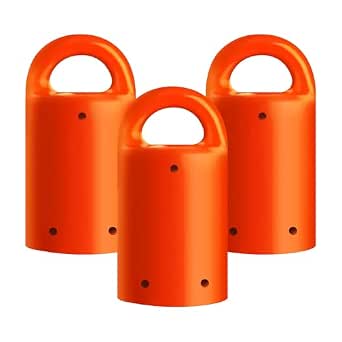
Magnetic Stud Finder: What to Know Before You Buy
A magnetic stud finder works by detecting the screws or nails that fasten drywall to wood or metal studs, making it a simple, battery-free alternative to electronic scanners. This tool is best suited for standard drywall-over-wood construction, so understanding your wall type and the finder's magnet strength is key before purchasing.
Key Considerations Before Buying
- Magnetic stud finders only work where fasteners are present; walls with sparse nailing, adhesive-only panels, or thick plaster may yield unreliable results. Confirm your wall construction and fastener spacing before relying on a magnetic model.
- Magnet strength and design determine sensitivity: rare-earth (neodymium) magnets detect fasteners through thicker drywall better than weak ceramic magnets, while a slim profile helps the tool glide along the wall without scratching paint.
- Look for clear marking features such as a center notch, level bubble, or pencil guide; these help you transfer the detected fastener location into an accurate stud centerline for drilling or mounting.
What Our Analysts Recommend
Prioritize strong neodymium magnets, a durable housing that won't crack when dropped, and an integrated level or marking channel for accurate layout. Reviews mentioning consistent detection through standard 1/2-inch drywall and easy repositioning are good signs of a well-made magnetic finder.
Stud Finders Market Context
Market Overview
Stud finders range from basic magnetic models to electronic scanners with deep-scan and live-wire detection, and magnetic versions remain popular for their low cost, no batteries, and zero calibration. The category is crowded with budget no-name tools, so brand reputation and verified review volume matter when choosing.
Common Issues
Common complaints in this category include false positives from metal corner beads, pipes, or conduit, weak magnets that only detect shallow fasteners, and housings that lose magnetization or break after drops. Users also report frustration when magnetic finders fail on plaster, tile, or walls with metal framing.
Quality Indicators
Quality magnetic stud finders use strong rare-earth magnets, precise centering marks, and robust ABS or metal bodies; they also include clear instructions about wall-type limitations. Consistent verified reviews praising detection accuracy and durability across many purchases are stronger signals than a single glowing review.
Review Authenticity Insights
Grade A Interpretation
A Grade A authenticity rating with an estimated 5.00% fake review rate is strong for this category, and the 4.90/5 adjusted rating after excluding suspicious reviews suggests genuine buyer satisfaction. The high volume of 2,426 reviews with verified purchase status further reduces the likelihood that the rating is inflated.
Trust Recommendation
You can treat this product's rating as broadly reliable, but still skim the detailed reviews for mentions of your specific wall type and fastener spacing. The small suspicious fraction is unlikely to distort the overall picture, so focus on whether reviewers describe use cases similar to yours.
Tips for Reading Reviews
For magnetic stud finders, prioritize reviews that mention wall construction (drywall thickness, plaster, metal studs) and whether the magnet detected fasteners consistently. Look for balanced reviews noting limitations, since a perfect 5.00 rating with detailed caveats is more credible than uniform praise.
Expert Perspective
This magnetic stud finder benefits from an exceptionally strong verified review base and a high adjusted rating, indicating reliable performance for typical drywall-over-wood walls. Its battery-free magnetic design suits homeowners who want a simple, low-cost tool for hanging pictures, shelves, and TVs, though it is not a substitute for electronic scanning on complex walls. The authenticity analysis supports trusting the consensus, provided buyers understand the tool's wall-type limitations.
Purchase Considerations
Weigh your wall construction first: magnetic finders excel on standard drywall with visible fastener patterns but struggle on plaster, tile, or metal-framed walls. Consider whether you need live-wire or deep-scan detection, which magnetic models cannot provide, and whether the included level and marking features match your mounting projects.
Comparing Alternatives
Shoppers should compare this magnetic model with electronic stud finders if they need wire detection or work on atypical walls, and check whether a combination kit offers better value.