Magnetic Stud Finder: What to Know Before You Buy
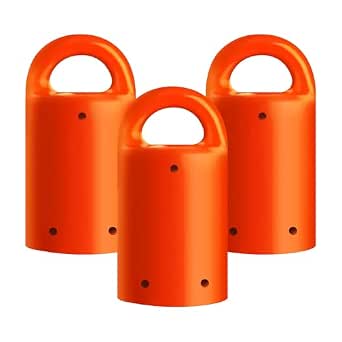
The Original StudBuddy® Magnetic Stud Finder is a battery-free tool that uses a powerful magnet to locate screws or nails in drywall and wood, making it ideal for quick, low-cost stud detection. Unlike electronic scanners, it requires no calibration and works by detecting the fasteners that hold drywall to studs. This guide covers key factors to consider when choosing a magnetic stud finder like this one.
Key Considerations Before Buying
- Magnetic stud finders excel at finding metal fasteners in drywall, but they won't detect studs behind lath and plaster or other non-magnetic materials. If your walls are plaster or you need to find studs without visible fasteners, an electronic scanner may be necessary.
- The strength of the magnet determines how easily it snaps to screw heads and how well it stays in place. A powerful magnet like the one in StudBuddy can hold itself on the wall, freeing your hands for marking, but very strong magnets may also pick up nearby metal objects like corner beads or conduit.
- Since StudBuddy is Made in the USA and requires no batteries, it's a durable, maintenance-free option. However, its simplicity means it lacks features like deep scanning or AC wire detection found in pricier electronic models, so consider whether you need those extras.
What Our Analysts Recommend
Look for a magnetic stud finder with a strong, rare-earth magnet that can hold its own weight on the wall and a compact, durable build. A comfortable grip and a design that allows easy marking of stud locations are also important. Avoid models with weak magnets that slip or require two hands to operate.
Stud Finders Market Context
Market Overview
The stud finder market is dominated by electronic scanners with advanced features like deep scanning and wire detection, but magnetic stud finders remain popular for their simplicity, reliability, and low cost. The Original StudBuddy® has carved a niche as a no-frills, American-made tool with a strong following among DIYers and professionals alike.
Common Issues
Common complaints with magnetic stud finders include weak magnets that fail to hold on the wall, difficulty detecting fasteners under thick paint or texture, and false positives from metal objects like pipes or corner beads. Electronic stud finders, on the other hand, often suffer from calibration errors and battery drain.
Quality Indicators
A quality magnetic stud finder should have a strong neodymium magnet, a durable housing that won't crack if dropped, and a design that makes it easy to slide across the wall and mark stud locations. Country of manufacture can also be a proxy for quality, with US-made tools often having better quality control.
Review Authenticity Insights
Grade B Interpretation
A Grade B authenticity rating with an estimated 15% fake review percentage means that while most reviews are genuine, a noticeable minority may be manipulated. This is slightly above the typical threshold for concern, so shoppers should read reviews with some skepticism, especially those that sound overly promotional or lack specific details.
Trust Recommendation
Focus on reviews that mention specific use cases, such as finding studs in different wall types or comparing the StudBuddy to other methods. The adjusted rating of 4.30/5 (down from 4.67) still indicates strong overall satisfaction, but it's wise to cross-reference with external sources and consider the product's simple design, which leaves less room for inflated praise.
Tips for Reading Reviews
When reading reviews for magnetic stud finders, pay attention to comments about magnet strength, ease of use, and accuracy. Ignore generic five-star reviews that don't describe actual experience. Look for reviewers who mention the type of wall they used it on and whether it successfully located studs without false positives.
Expert Perspective
The Original StudBuddy® Magnetic Stud Finder is a well-regarded tool that excels at its core function: quickly locating studs in drywall without batteries or calibration. Its high review count and adjusted rating of 4.30/5 suggest broad user satisfaction, though the 15% fake review estimate warrants caution. Made in the USA, it appeals to those seeking a durable, simple solution. However, it's not a replacement for electronic stud finders in complex walls or when you need to detect pipes and wires.
Purchase Considerations
Consider your wall types and project needs: if you have standard drywall and want a fast, reliable way to find studs for hanging pictures or shelves, the StudBuddy is an excellent choice. If you have plaster walls or need to avoid electrical wiring, invest in a high-quality electronic scanner. Also, weigh the simplicity and longevity of a battery-free tool against the additional features of electronic models.
Comparing Alternatives
Shoppers should compare the StudBuddy with other magnetic stud finders like the CH Hanson 03040 and electronic options from Zircon or Franklin Sensors to ensure it meets their specific needs.