
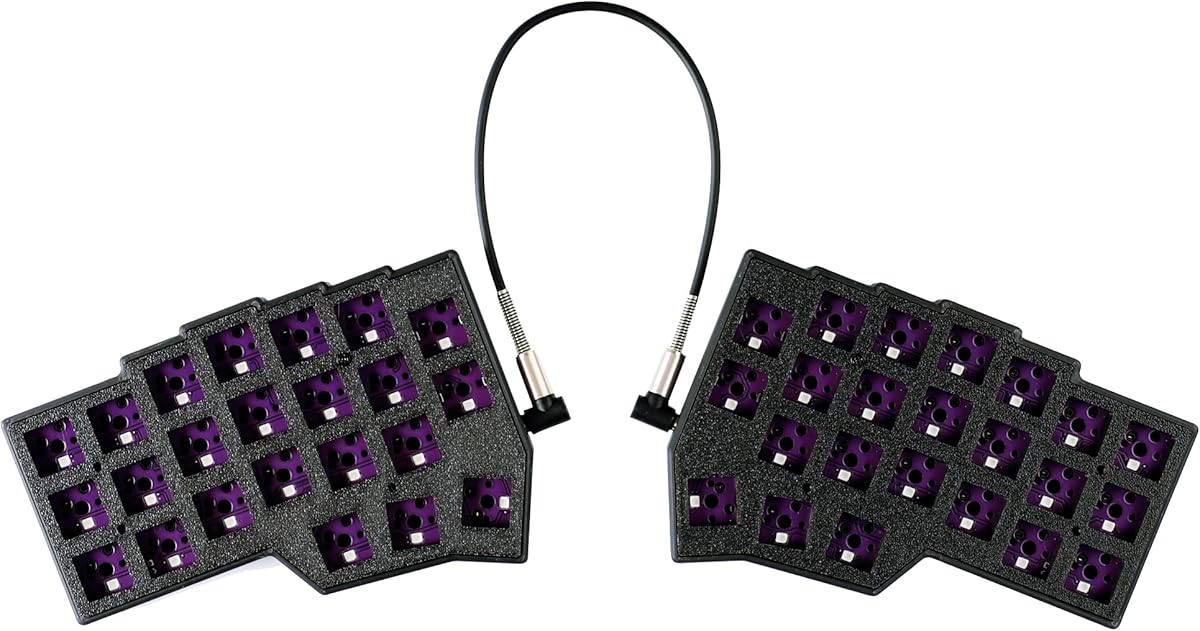
Mastering the Split: Your Guide to the YMDK Corne V4.1 Ergonomic Keyboard
The YMDK Corne V4.1 is a 46-key, 40% split ergonomic keyboard that prioritizes wrist health and customizability over traditional layouts. If you're considering this kit, you're likely looking to reduce strain from conventional keyboards while embracing a highly programmable, compact form factor. This guide will help you navigate the key features of this specific model, from its hotswap sockets to its QMK/Vial firmware.
Key Considerations Before Buying
- The 40% layout eliminates the number row and function keys, requiring you to use layers—ensure you're comfortable with this learning curve before committing.
- The Corne V4.1 uses a 3D-printed PLA case, which is lightweight but may feel less premium than metal or acrylic options; consider if durability or aesthetics matter more for your desk setup.
- Hotswappable switches (MX-compatible) let you experiment with different mechanical switch types without soldering, but you'll need to purchase switches and keycaps separately, adding to the total cost.
What Our Analysts Recommend
When evaluating split keyboards like the Corne V4.1, prioritize build quality of the PCB and case, the responsiveness of the RGB lighting, and firmware support. A good kit should offer clear documentation for QMK/Vial programming, as customizing the layers is essential for daily use. Check for included components like TRRS cable and USB-C cable, as missing items can delay your build.
Keyboards Market Context
Market Overview
The split ergonomic keyboard market is growing rapidly, driven by increased awareness of repetitive strain injuries and the rise of remote work. Enthusiasts often seek out DIY kits like the Corne V4.1 for their programmability and unique layouts, but mainstream adoption is still limited by the steep learning curve. This YMDK offering sits at a competitive price point, appealing to both beginners and experienced builders.
Common Issues
Common concerns in this category include the difficulty of adapting to a split layout, potential connectivity issues with the TRRS cable between halves, and the limited availability of compatible keycaps for non-standard row profiles. Some users also report that 3D-printed cases can warp over time if exposed to heat or humidity, though PLA is generally stable indoors.
Quality Indicators
High-quality split keyboard kits feature robust PCBs with ESD protection, reliable hotswap sockets (e.g., Kailh or Gateron), and clear, removable RGB LEDs. Look for kits that include pre-soldered components for ease of assembly, and check for community support—active forums or GitHub repositories for firmware are strong signs of a well-supported product.
Review Authenticity Insights
Grade B Interpretation
With a Review Authenticity Grade of B and an estimated 10% fake review rate, this product has a solid base of genuine feedback, but a small minority of reviews may be unreliable. The 4.80/5 rating is slightly inflated; the adjusted 4.60/5 is a more realistic reflection of user satisfaction, which is still excellent. This suggests most buyers are happy, but you should focus on detailed reviews that mention specific features like the 3D-printed case or hotswap compatibility.
Trust Recommendation
Given the high proportion of verified purchasers and low fake rate, you can trust the overall sentiment but should be cautious of overly glowing reviews with vague praise. Look for reviews that describe the assembly process, firmware setup, or ergonomic benefits—these are likely from real users. The authenticity grade indicates you can rely on the product's quality, but always cross-reference with external forums like Reddit's r/MechanicalKeyboards.
Tips for Reading Reviews
When reading reviews for a DIY keyboard kit, prioritize those that mention specific switch types used, any issues with the TRRS connection, and the ease of programming via Vial. Be skeptical of reviews that only praise aesthetics without discussing functionality, as these may be incentivized. Also, note if multiple reviews mention the same defect, such as a loose USB port or poor RGB diffusion, as this could indicate a batch issue.
Expert Perspective
The YMDK Corne V4.1 is a well-regarded entry into the split ergonomic keyboard space, offering a balance of affordability and customizability that appeals to both newcomers and enthusiasts. The 4.60 adjusted rating reflects strong user satisfaction, particularly with the hotswap feature and QMK/Vial support, which allow for deep personalization. However, the 40% layout and PLA case may not suit everyone, especially those who prefer a heavier, more premium feel or need dedicated function keys. Overall, it's a solid choice if you're ready to invest time in learning layers and building your own setup.
Purchase Considerations
Before buying, consider your willingness to assemble the kit and source keycaps and switches separately, as this adds time and cost. The ergonomic benefits are real for those with wrist pain, but the learning curve can be frustrating initially—plan for a few weeks of adjustment. Also, factor in the need for a compatible wrist rest or tenting kit if you require additional ergonomic support.
Comparing Alternatives
For those seeking a more traditional split layout, the YMDK Sofle or Lily58 offer additional keys with a similar programming experience. Shoppers should also compare with pre-built options like the ZSA Voyager if they prefer a fully assembled, premium product.


