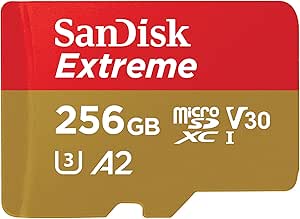
Max Out Your Storage: Expert Tips for Choosing a 2TB SD Card
When you're eyeing a 2TB SD card like the SanDisk Extreme, you're moving into professional-grade territory. This massive capacity, paired with 240MB/s read and 140MB/s write speeds, is designed for high-resolution video and rapid-fire photography, so understanding key specs is critical to avoid bottlenecks.
Key Considerations Before Buying
- Speed ratings matter: The V30 and U3 ratings on this card guarantee a minimum write speed of 30MB/s, which is essential for 4K video recording without dropped frames. For 8K or high-bitrate footage, look for V60 or V90 cards instead.
- Capacity vs. device compatibility: While 2TB offers immense space, older cameras, drones, or laptops may not support SDXC cards over 32GB or 512GB. Always check your device's maximum supported capacity before buying.
- Read/write speeds for workflow: The 240MB/s read speed (using UHS-I) is excellent for quickly transferring large files to a computer, but actual performance depends on your card reader. Ensure your reader supports UHS-I or UHS-II speeds to avoid wasting potential.
What Our Analysts Recommend
For a high-capacity SD card, prioritize genuine speed class certifications (like V30 or V60) over vague marketing claims. Look for cards from brands with proven durability (e.g., SanDisk's Extreme line) that also offer temperature, shock, and waterproof ratings. Finally, check for a manufacturer's warranty—typically 5 years to lifetime—which signals confidence in reliability.
Micro SD Market Context
Market Overview
The SD card market is rapidly evolving, with capacities reaching 2TB and speeds pushing beyond 300MB/s thanks to new UHS-II and SD Express standards. However, UHS-I cards like this SanDisk Extreme remain the sweet spot for most consumers, balancing affordability with sufficient speed for 4K video and burst photography.
Common Issues
Fake or counterfeit cards are a persistent problem, often advertising inflated capacities or speeds that don't match real performance. Another issue is thermal throttling: high-speed writing over long periods can cause cards to slow down or fail in hot environments, so look for cards with proven heat management.
Quality Indicators
Genuine cards from top-tier brands (SanDisk, Samsung, Lexar) have consistent, verifiable performance figures. Quality indicators include official speed class logos (U3, V30), a robust warranty, and positive reviews from verified purchasers who test the card in real-world scenarios like 4K video recording or RAW photo bursts.
Review Authenticity Insights
Grade B Interpretation
With a Review Authenticity Grade of B and an estimated 10% fake review rate, this SanDisk Extreme card has a solid but not perfect trust profile. The 10% suspicious reviews are relatively low for a high-demand product, but they still warrant caution—especially since the product's high price can attract incentivized or deceptive feedback.
Trust Recommendation
Given the Grade B rating and 702 reviews averaging 5.0 stars (adjusted to 4.80), you can generally trust the positive consensus, but cross-check critical details in written comments. Focus on reviews from verified purchasers that mention specific use cases (e.g., 'used in my Sony A7III for 4K video') to confirm real-world performance.
Tips for Reading Reviews
When reading reviews for a 2TB SD card, look for those that discuss speed test results (e.g., 'CrystalDiskMark showed 240MB/s read'), device compatibility, and long-term reliability after months of use. Be skeptical of one-line raves or complaints about 'defective' cards without detailed troubleshooting, as these are common patterns in fake reviews.
Expert Perspective
The SanDisk Extreme SDXC 2TB card delivers impressive specs for its UHS-I class, offering a massive capacity that's ideal for professional photographers and videographers who need to store thousands of RAW files or hours of 4K footage without swapping cards. Its 240/140MB/s speeds are among the fastest for UHS-I, and the V30 rating ensures smooth 4K recording. However, the high price per gigabyte means it's best suited for users who genuinely need 2TB of portable storage, rather than casual shooters.
Purchase Considerations
Weigh the cost against your actual storage needs: if you rarely exceed 512GB during a shoot, a smaller card may be more economical. Also, verify that your camera or device supports 2TB SDXC cards—this isn't universal, especially for older models. Finally, consider buying from an authorized retailer to minimize counterfeit risk, given the premium price tag.
Comparing Alternatives
For users with high-speed UHS-II compatible devices, consider SanDisk's Extreme PRO UHS-II cards for faster burst rates (up to 300MB/s), or Samsung's PRO Plus for a competitive UHS-I option at a lower cost per gigabyte.


![KEXIN 16GB TF Tarjeta de Memoria Micro SD de 16 GB MicroSDHS C10 hasta 70 MB/s, Tarjeta Externa UHS-1 Class 10 para Cámara Deportiva, IPC Cámara, Smartphone,Drone [5 Pack * 16GB]](https://m.media-amazon.com/images/I/61OcsFgsrmL._AC_SY300_SX300_QL70_ML2_.jpg)