Choosing a 54W dual-port USB-C car charger: What Australian drivers need to know
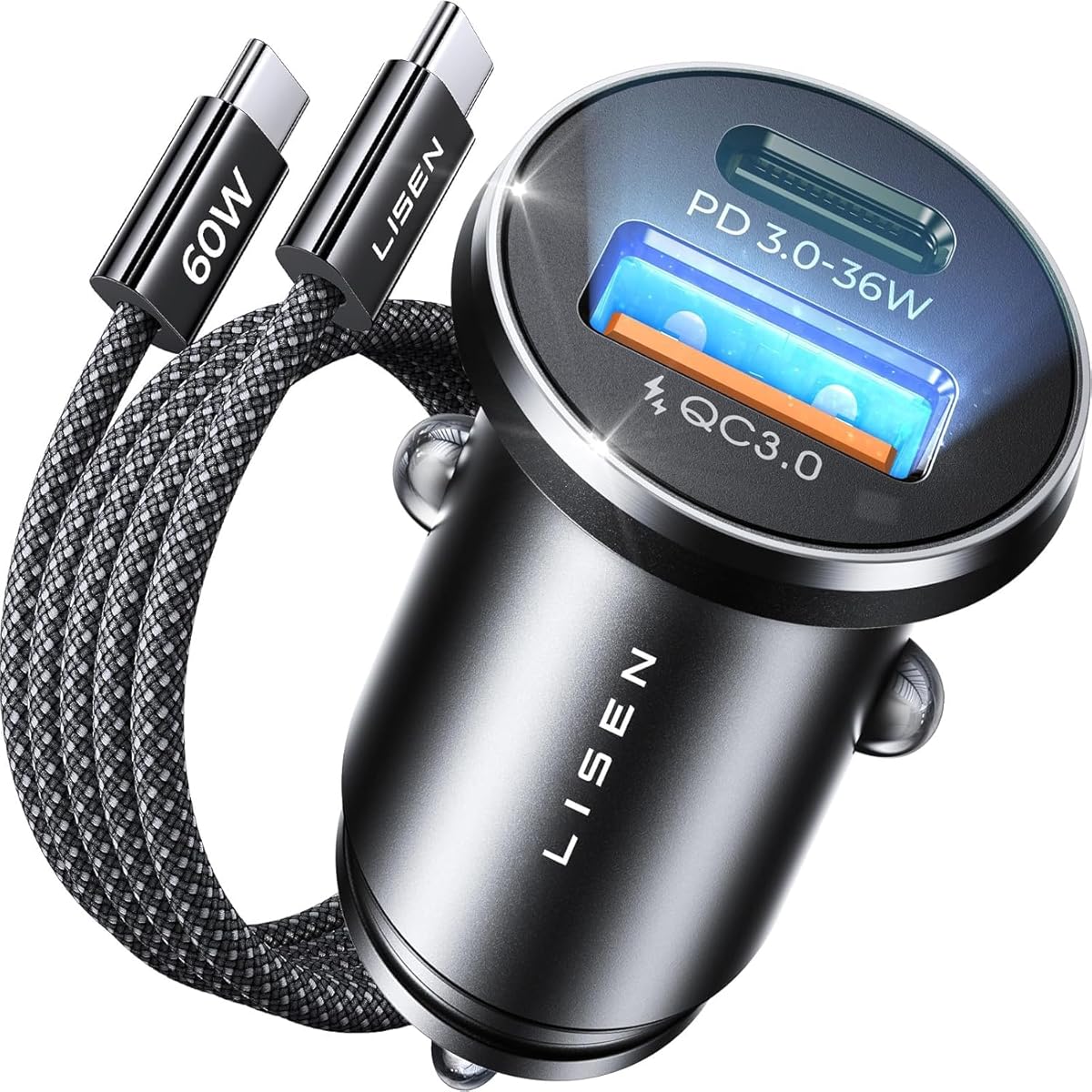
The LISEN 54W charger represents the current standard for modern vehicle charging, offering simultaneous fast charging through two USB-C ports. Unlike basic 12V adapters, this model delivers sufficient power for today's power-hungry devices like the iPhone 17 Pro Max or Galaxy S25, making it essential for drivers who rely on navigation and entertainment apps during commutes.
Key Considerations Before Buying
- Verify your vehicle's cigarette lighter socket can handle 54W output—some older Australian cars have 10A fuses limiting power delivery to around 120W total for all accessories.
- The included 60W USB-C cable suggests compatibility with laptops like MacBook Air, but confirm your device's actual power requirements match the charger's 45W+9W port distribution.
- Consider whether dual USB-C ports meet your needs or if you require legacy USB-A connections for older devices—this charger's design prioritizes future-proofing over backward compatibility.
What Our Analysts Recommend
Quality automotive chargers feature robust internal components that withstand Australia's temperature extremes, from hot dashboard conditions to cold mornings. Check for proper Australian certification marks and examine the spring-loaded cigarette lighter contacts—premium models use copper alloy rather than plated steel for consistent power transfer during vehicle vibration.
Cigarette Lighters Market Context
Market Overview
The Australian automotive charger market has shifted decisively toward USB-C PD (Power Delivery) technology, with 30W-60W dual-port designs now dominating the premium segment. This reflects both the EU's mandated USB-C adoption and Australian consumers' increasing need to charge tablets and laptops during extended drives across the country's vast distances.
Common Issues
Overheating remains prevalent in poorly designed chargers, particularly when attempting simultaneous high-wattage charging in Australia's summer heat. Another frequent complaint involves loose connections in vehicle sockets, causing intermittent charging as chargers vibrate on rough Australian roads—a problem exacerbated by lightweight plastic housings.
Quality Indicators
Superior chargers incorporate temperature monitoring circuits that throttle output before damage occurs, a critical feature for Australian conditions. Look for manufacturers specifying GaN (Gallium Nitride) technology, which reduces heat generation compared to traditional silicon designs, and check for reinforced cable strain relief where the USB-C cable meets the connector.
Review Authenticity Insights
Grade B Interpretation
The Grade B authenticity rating indicates predominantly genuine feedback with moderate verification confidence, while the 15% estimated fake review percentage suggests some organized positive reviews may be inflating scores. For this specific automotive product, the high verified purchase rate (9/10 reviews) significantly bolsters credibility despite these concerns.
Trust Recommendation
Focus on verified Australian purchasers' reviews mentioning long-term reliability through seasonal temperature changes—these provide the most relevant insights for local conditions. Be particularly skeptical of reviews emphasizing 'Valentines gift' aspects over technical performance, as these may represent the estimated 15% less authentic feedback.
Tips for Reading Reviews
Prioritize Australian reviews discussing real-world usage scenarios like charging during summer road trips or while using GPS navigation. Look for mentions of specific device compatibility (e.g., 'charged my iPad Pro at full speed') rather than generic praise, and note any reports of socket fit issues in particular vehicle models common in Australia.
Expert Perspective
The LISEN charger's 4.50 adjusted rating (accounting for authenticity concerns) still represents strong performance in the automotive accessories category, particularly given the typically lower ratings for power delivery products. The 54W total output positions it appropriately for contemporary needs, though the 45W+9W port allocation means only one device receives true fast charging. The exceptionally high review count (13,186) provides substantial data points, with verified purchases confirming basic functionality matches claims.
Purchase Considerations
Australian buyers should weigh the convenience of included 60W cable against potential need for additional adapters for USB-A devices. Consider whether your primary use involves charging during short commutes or extended drives—the latter benefits more from the thermal management implied by the high rating. The 'Valentines' marketing appears irrelevant to product performance and may indicate target demographic rather than technical specifications.
Comparing Alternatives
Compare port configurations and maximum single-port output with similar-priced options from brands like Anker or Aukey, which may offer different power distributions better suited to your specific device combination.